
Portes Anciennes
Mike Epps returns to his hometown with the We Them Ones tour
From the archive — latest notes.
Portes Anciennes
From the archive — latest notes.

Path
Heritage cities and historic neighbourhoods to explore.

Path
How to travel heritage towns thoughtfully.

Path
Character hotels and historic stays in Europe.

Path
Getting great shots in old-city light and narrow lanes.
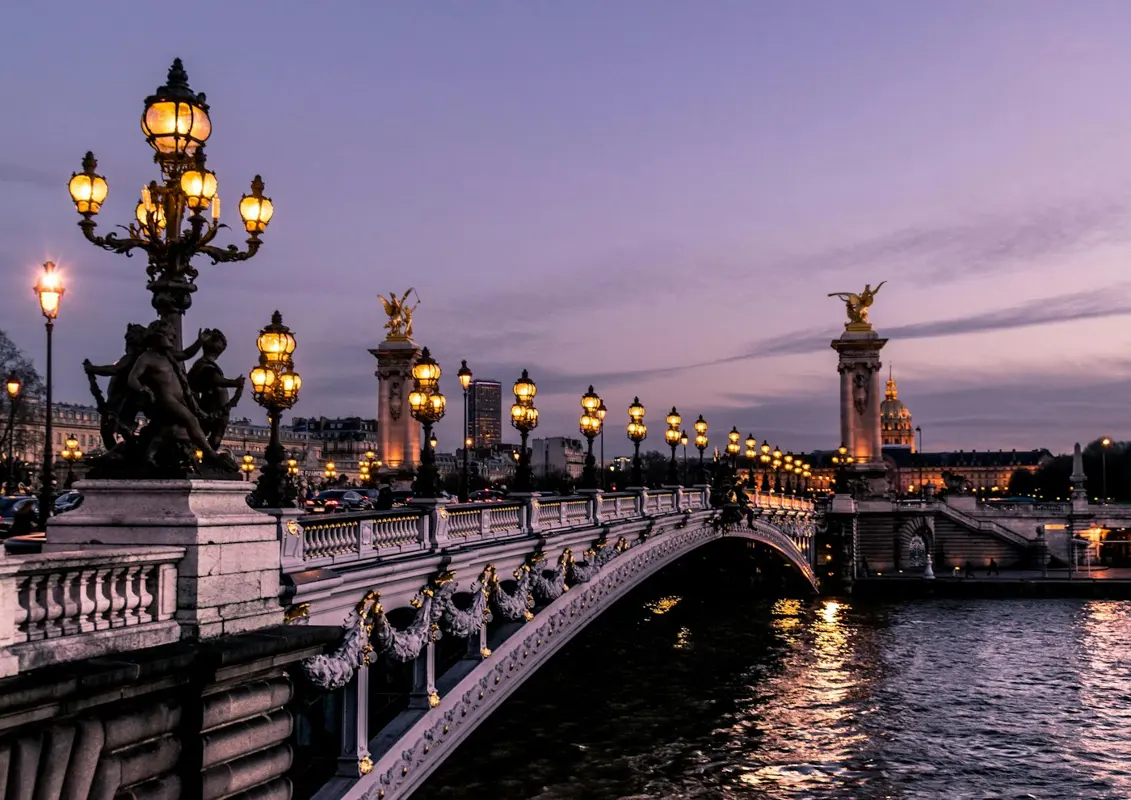
Nearby
75004 Paris

Nearby
8000 Bruges
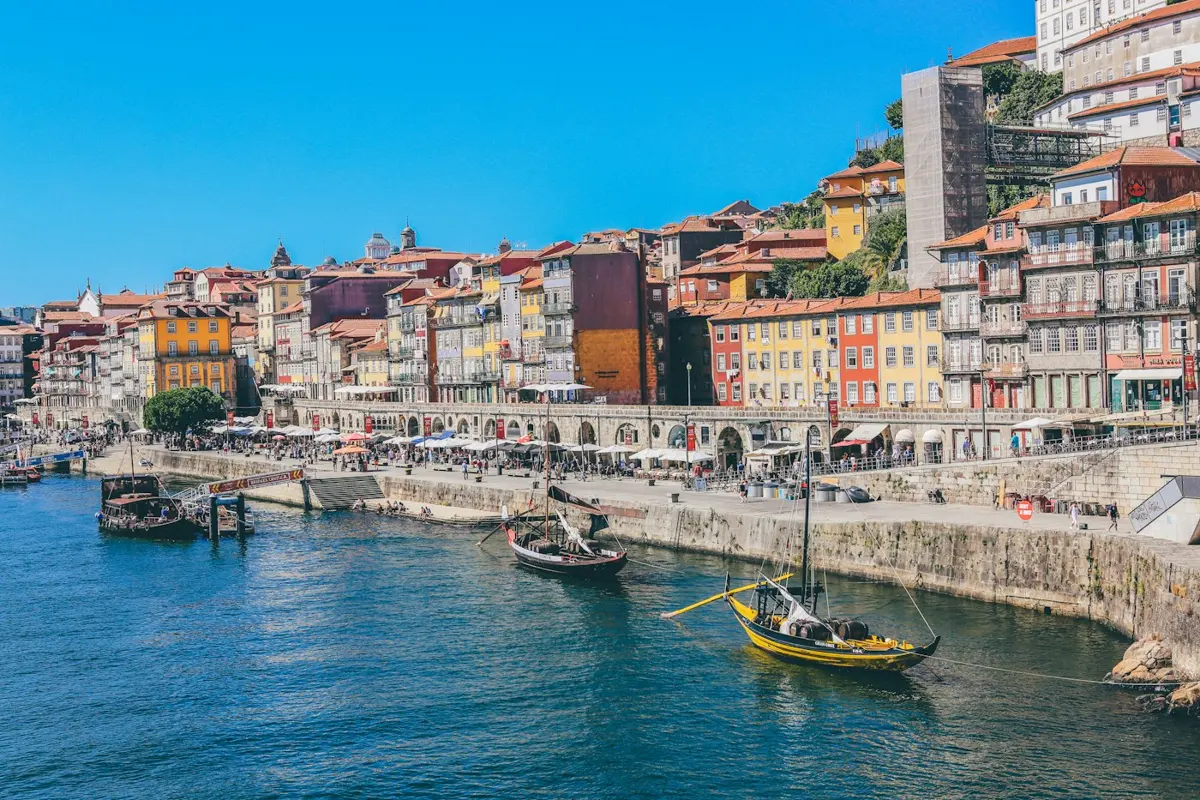
Nearby
4050 Porto

Nearby
9000 Ghent
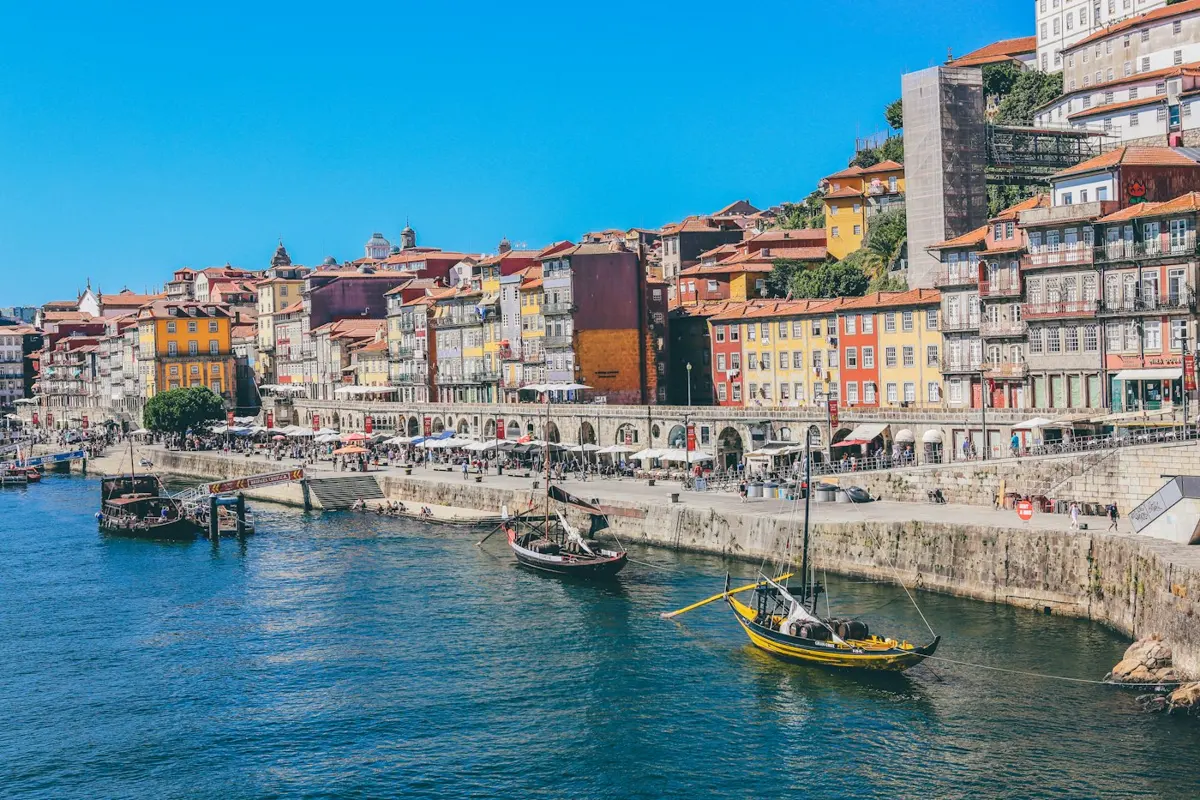
Nearby
1100 Lisbon
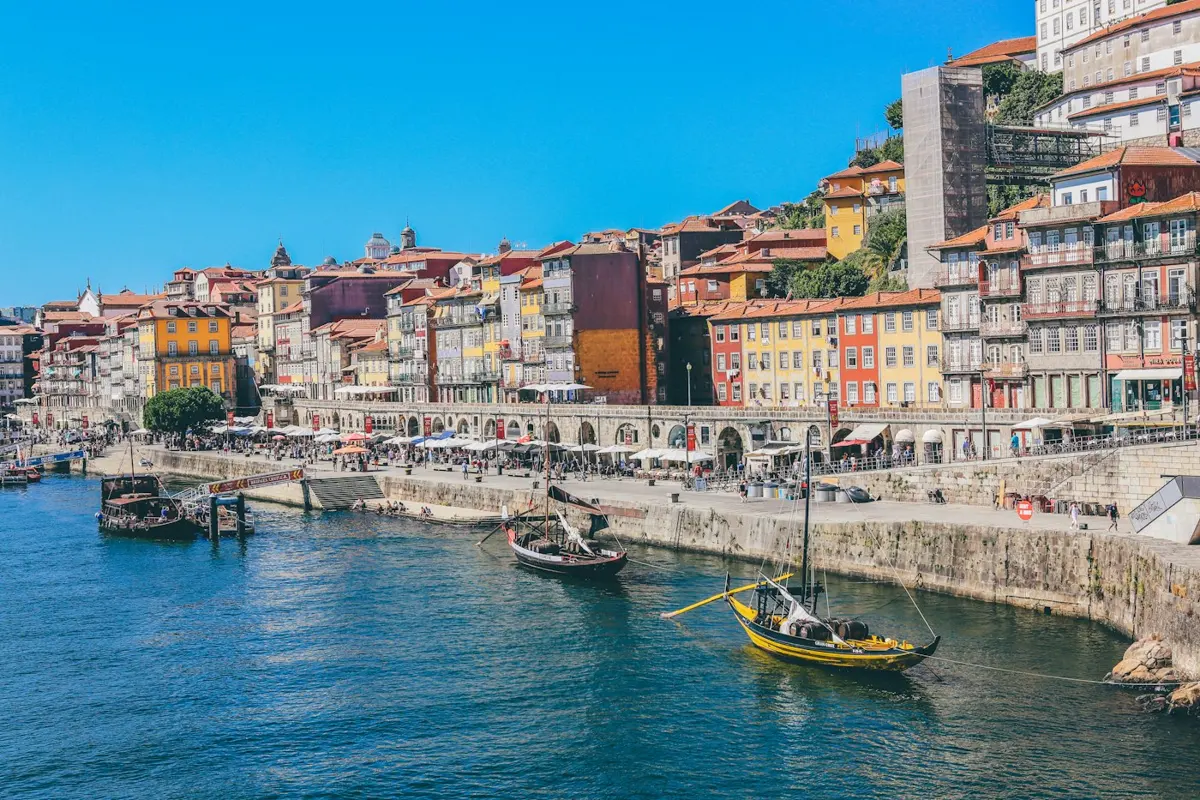
Nearby
110 00 Prague
Nearby
119 08 Prague

Nearby
Amsterdam
Latest
The name of this journal comes from a simple habit: stopping at old doors. A carved oak portal in the Marais, a weathered green door on a Bruges canal, a tiled entrance in Lisbon's Alfama: each one tells you something about who built the street, when, and with what money. Learning to read these details turns a walk through a historic centre into something closer to a conversation with the place.
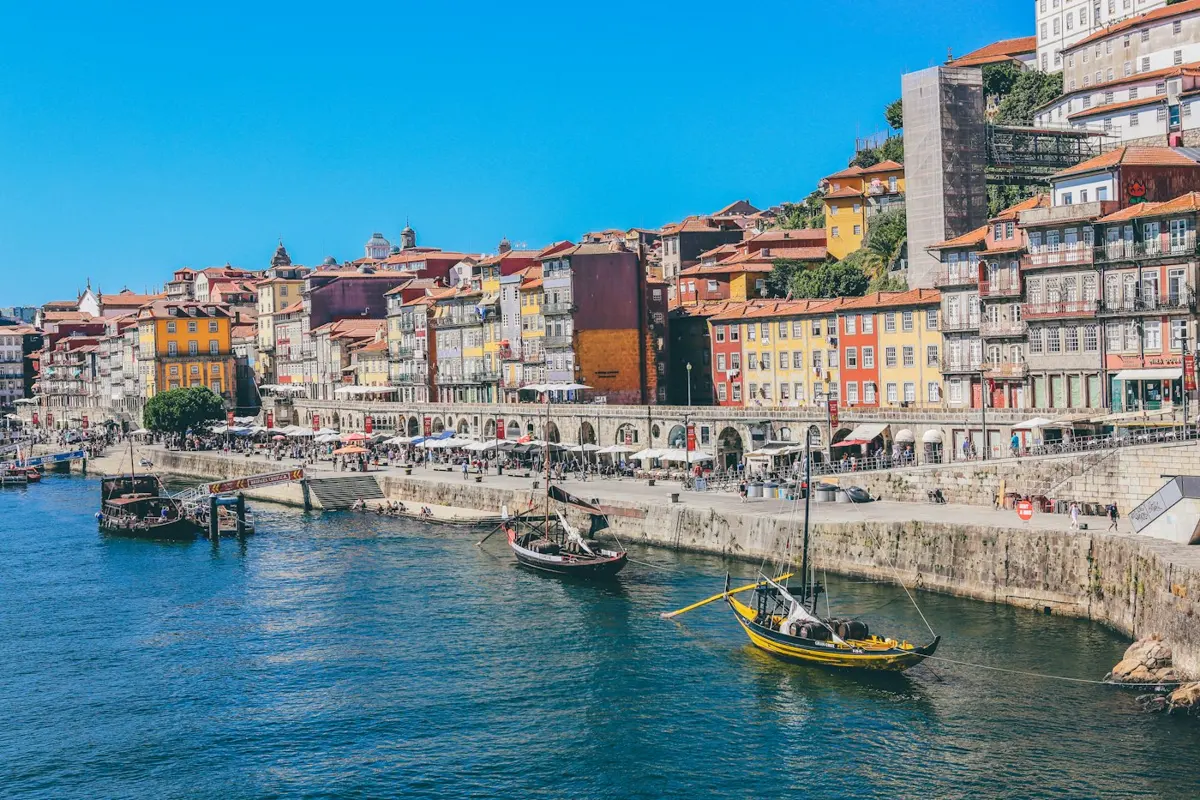
Start with materials. Brick-built gables in Flanders and the Netherlands reflect a landscape short on quarried stone, while the honey-coloured limestone of many French towns speaks of local quarries a few miles away. In Porto and Lisbon, the azulejo tiles covering façades were both decorative and practical, protecting walls from damp sea air. Once you notice these patterns, you begin to see how geography shaped architecture long before style did.
Then look up. Ground floors are often rebuilt for shops, but upper storeys keep older window frames, iron balconies, hoisting beams under Amsterdam's canal-house gables and date stones set into the masonry. Courtyards matter too. Many of the quietest corners of Paris sit behind heavy street doors, so it is worth reading our guide to hidden Paris courtyards before you go, and respecting residents' privacy where entry is not public.
If you are planning a first trip, our overview of European heritage destinations is a good place to begin, and the archive collects earlier notes from the road.