Portes Anciennes is an independent heritage travel journal c
Nearby places
Places worth knowing about near Portes Anciennes.
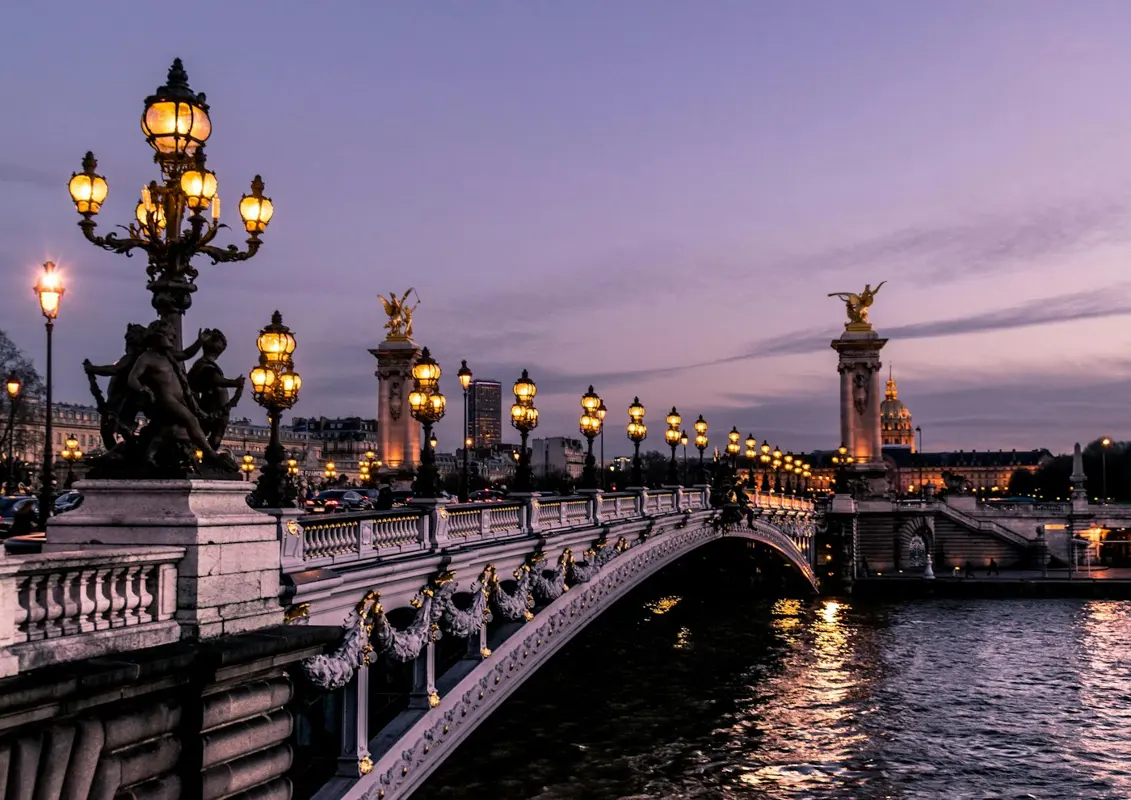
Nearby
Notre-Dame de Paris
6 Parvis Notre-Dame, 75004 Paris, France

Nearby
Cloth Hall, Bruges
Markt 7, 8000 Bruges, Belgium
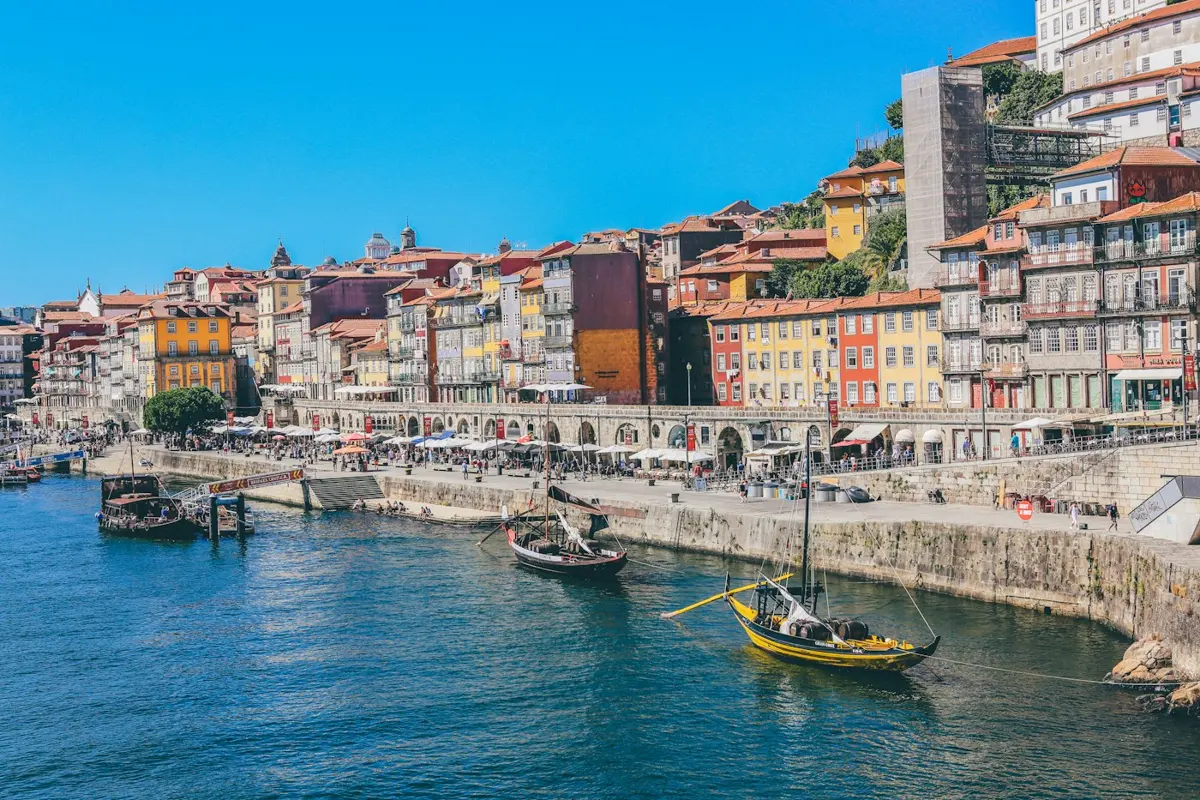
Nearby
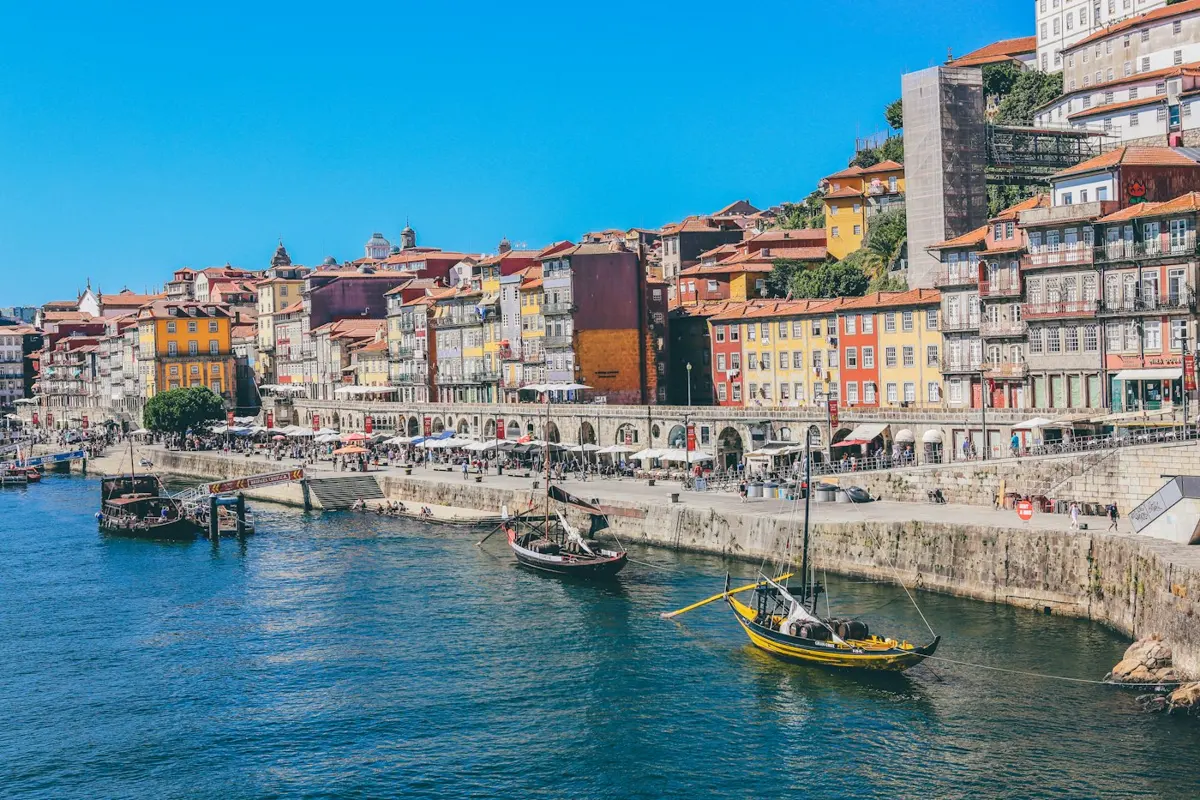
Ribeira, Porto
Ribeira, 4050 Porto, Portugal

Nearby
Gravensteen Castle
Sint-Veerleplein 11, 9000 Ghent, Belgium
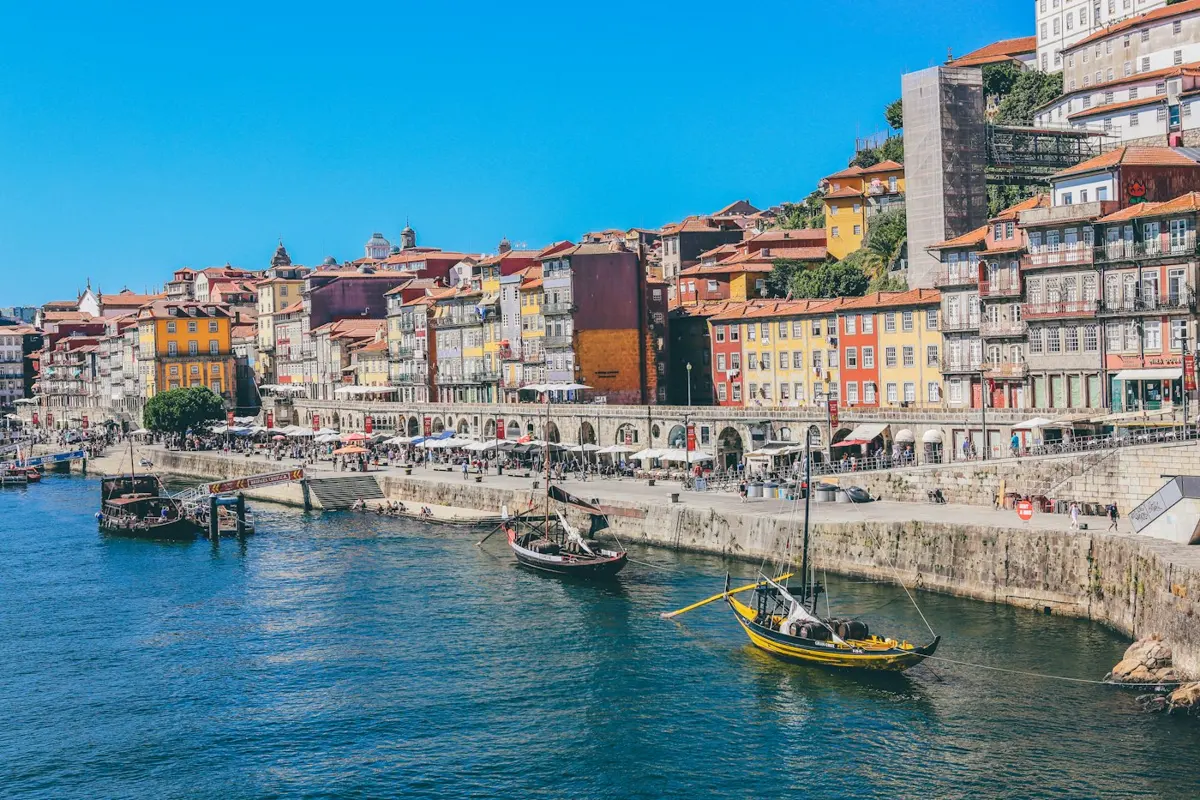
Nearby
Alfama, Lisbon
Alfama, 1100 Lisbon, Portugal
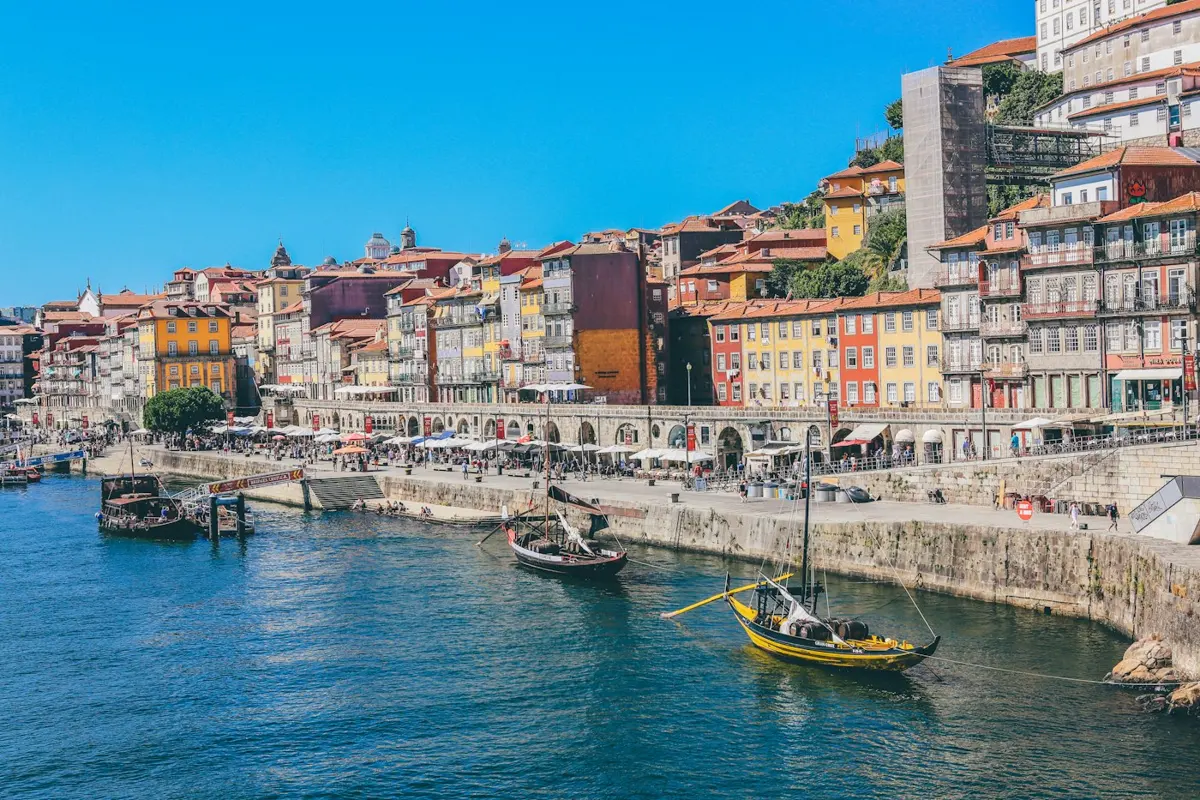
Nearby
Old Town Square, Prague
Staromestske namesti, 110 00 Prague, Czech Republic
Nearby
St. Vitus Cathedral
Prague Castle, 119 08 Prague, Czech Republic

Nearby
Canal Ring, Amsterdam
Grachtengordel, Amsterdam, Netherlands
How to get the most from these historic places
The eight places listed here span very different kinds of heritage, and each rewards a slightly different approach. Some are single monuments, such as Notre-Dame de Paris, the Gravensteen in Ghent and St. Vitus Cathedral. Others are whole districts, such as Porto's Ribeira, Lisbon's Alfama and Amsterdam's Canal Ring. You read the first kind room by room and the second street by street. It helps to know which you are visiting before you arrive.
Monuments: go early, look up
Major landmarks draw the largest crowds from late morning onwards. Arriving close to opening time usually means shorter queues and softer light on stone façades. Notre-Dame has reopened after the 2019 fire, and access arrangements can change, so check the official website before you go. The same applies to Prague Castle, where St. Vitus stands within a larger complex with its own ticketing. Inside Gothic churches, spend time on the details that are easy to miss: carved capitals, the stories told in stained glass, and changes in masonry that show where building paused and restarted over centuries.
Districts: wander, then return
Alfama and Ribeira grew organically up steep slopes, long before planned street grids. Expect stairways, dead ends and lanes too narrow for cars. Comfortable shoes matter more than a precise route. Amsterdam's Canal Ring, a UNESCO World Heritage site, is the opposite: a deliberate seventeenth-century plan of concentric canals lined with merchants' houses. Their gables, hoisting beams and narrow fronts tell you a great deal about trade and property taxes in the Dutch Golden Age. Walk each district once at a busy hour and again early or late in the day, when residents reclaim the streets.
Market squares as living history
The Markt in Bruges, with its Cloth Hall and belfry, and Prague's Old Town Square were built as stages for commerce and civic life. They still are. Linger at a café edge, notice how the surrounding buildings record different eras, and visit outside the peak of the day.
For wider route ideas, browse our heritage destinations guide, or look back through the archive for earlier features on old towns and their architecture.